
Brain Rehabilitation Exercises That Support Focus and Confidence in Aging
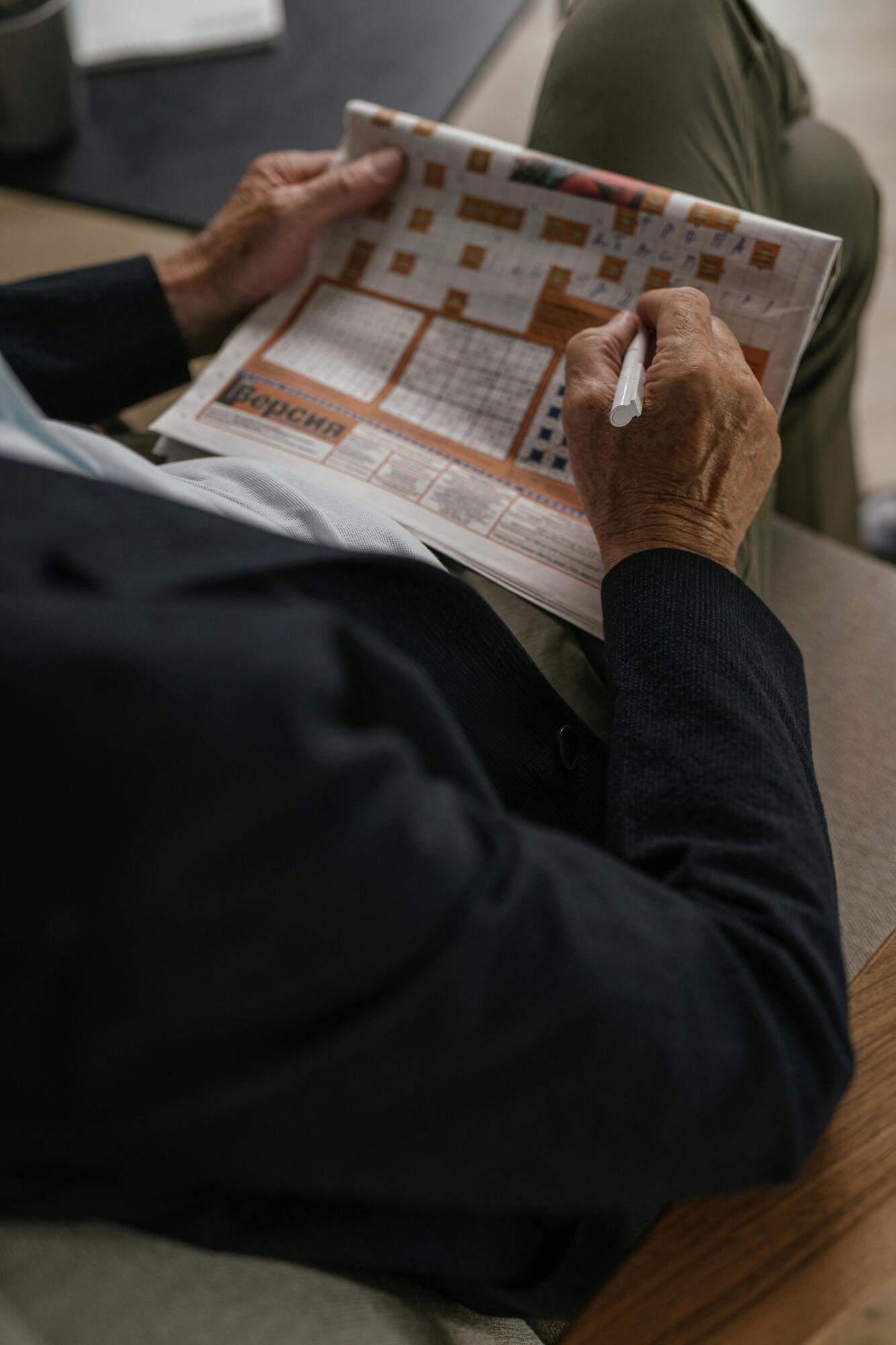
Brain rehabilitation exercises such as memory games, problem-solving tasks, and creative activities help older adults strengthen focus, rebuild confidence, and maintain mental independence as they age.
Struggling to stay focused or feeling less confident than you used to in Frankenmuth, MI, a close-knit community located along the Cass River?
Many older adults experience subtle cognitive changes with age, but the right brain rehabilitation exercises can sharpen attention, boost self-assurance, and support long-term mental health.
By engaging in targeted activities that challenge memory, reasoning, and creativity, seniors in and around Frankenmuth can actively strengthen their minds and feel more confident in daily life.
Discover how simple, consistent brain exercises can help you stay focused, capable, and mentally resilient as the years roll on.
What Is Brain Rehabilitation?
Brain rehabilitation refers to structured exercises and activities designed to strengthen cognitive functions such as memory, attention, problem-solving, and reasoning.
It supports healthy aging and plays an important role in post-injury wellness, particularly for older adults recovering from strokes, falls, or neurological changes. Older adults can use brain rehabilitation to maintain mental sharpness, rebuild confidence, and support independence.
What Are the Benefits of Brain Rehabilitation for Older Adults?
Brain rehabilitation offers powerful benefits for seniors looking to maintain mental sharpness and confidence. It can improve focus and attention, making daily tasks easier and more manageable. These exercises also help rebuild self-assurance, supporting independence and a sense of capability.
In addition, brain rehabilitation strengthens memory and problem-solving, which can reduce frustration and enhance decision-making. Many older adults also find that engaging in cognitive activities boosts mood, lowers stress, and fosters social connections when done in group or community settings.
What Types of Brain Rehabilitation Exercises Are Best for Seniors?
Now that we understand the benefits of brain rehabilitation, it is helpful to look at the specific exercises that can strengthen memory, attention, problem-solving, and creativity. Seniors can choose activities that match their interests and cognitive recovery goals, making brain training both effective and enjoyable.
Memory Support Exercises
Memory exercises help seniors recall information more easily and keep their minds sharp. Examples include:
- Word recall games and matching cards
- Storytelling and sequencing exercises
- Memorizing lists, numbers, or daily tasks
- Using flashcards for facts, faces, or names
- Playing memory apps or digital brain games
Attention and Focus Exercises
These exercises train the brain to concentrate on tasks and ignore distractions. Examples include:
- Pattern recognition and sequencing tasks
- Spot the difference or visual search games
- Tracking tasks that require sustained attention
- Mindfulness and meditation practices focused on awareness
- Multi-step instructions or following complex directions
Problem-Solving Exercises
Problem-solving exercises encourage logical thinking and decision-making. Examples include:
- Puzzles and jigsaw challenges
- Strategy board games like chess or checkers
- Sudoku, crosswords, or riddles
- Simple math and logic problems
- Planning exercises, such as organizing a schedule or a small project
Creative and Expressive Exercises
Creative exercises engage multiple areas of the brain while reducing stress and boosting mood. Examples include:
- Painting, drawing, or coloring
- Music activities like singing, playing instruments, or composing
- Writing exercises such as journaling, poetry, or storytelling
- Crafting, knitting, or building small projects
- Role-playing, drama, or dance classes
Social and Interactive Exercises
These exercises combine cognitive stimulation with social engagement, which enhances mental clarity and emotional well-being. Examples include:
- Group discussions or book clubs
- Team games or cooperative puzzles
- Memory or trivia challenges with friends or family
- Social volunteering or mentoring activities
- Participating in community classes or workshops
How Often Should Seniors Practice Brain Exercises?
Consistency is key when it comes to brain rehabilitation. Short, regular sessions are more effective than occasional long ones, helping the brain retain new skills and strengthen connections over time.
Aim for 15 to 30 minutes a day, several times a week, depending on your schedule and energy levels. Mixing different types of exercises, memory, attention, problem solving, creativity, and social activities keeps sessions engaging and ensures well-rounded cognitive stimulation.
It is also important to track progress and celebrate small wins, which reinforces motivation and builds confidence.
How Can Seniors Practice Brain Rehabilitation in Community Settings?
Participating in brain exercises within a community setting offers both cognitive and social benefits. Seniors in Frankenmuth can take advantage of local programs and group activities located along the Cass River and nearby neighborhoods, providing opportunities to stay mentally engaged while connecting with others.
Group classes, workshops, and senior centers often offer memory games, puzzles, art projects, and music sessions that make cognitive training enjoyable and interactive.
Social interaction during these activities not only reinforces mental skills but also reduces feelings of isolation, supports emotional well-being, and encourages consistency.
Frequently Asked Questions
Can Brain Rehabilitation Help With Everyday Tasks?
Yes. Regular brain exercises can improve focus, memory, and problem-solving, making daily activities like managing appointments, cooking, or handling finances easier and more manageable.
Are There Any Safety Concerns With Brain Exercises?
Brain exercises are generally safe for older adults. It is important to start at a comfortable level and gradually increase the challenge to avoid frustration or fatigue.
How Do Creative Activities Support Senior Brain Health?
Creative activities such as art, music, writing, or crafting stimulate multiple areas of the brain, reduce stress, and enhance emotional well-being while reinforcing cognitive skills.
How Can Family Members Support Brain Rehabilitation?
Family can encourage consistent practice, participate in exercises together, and celebrate small achievements to help seniors stay motivated and confident.
Are There Long-Term Benefits to Brain Rehabilitation?
Consistent engagement in brain exercises can slow cognitive decline, maintain independence, and improve quality of life, especially when combined with social interaction and creative activities.
Supporting Focus and Confidence Through Brain Rehabilitation Exercises
Brain rehabilitation exercises give seniors practical tools to sharpen focus and rebuild confidence while supporting independence and overall well-being. A foundation in memory tasks, attention training, problem-solving, creative expression, and social interaction can lead to meaningful improvements that make daily life more engaging and fulfilling.
For seniors looking to integrate brain rehabilitation exercises into a vibrant lifestyle, Winter Village in Frankenmuth, MI, offers a welcoming senior living community.
Residents enjoy chef-prepared meals in a restaurant-style dining room, along with a thoughtfully curated calendar of daily activities led by a full-time activities director. Wellness-focused exercise classes, creative workshops, card games, social events, and local outings are supported by the 7 Dimensions of Wellness to keep minds and bodies engaged.
Contact us for more information!