
Best Protein Powder for Seniors: What to Look For and Why It Matters
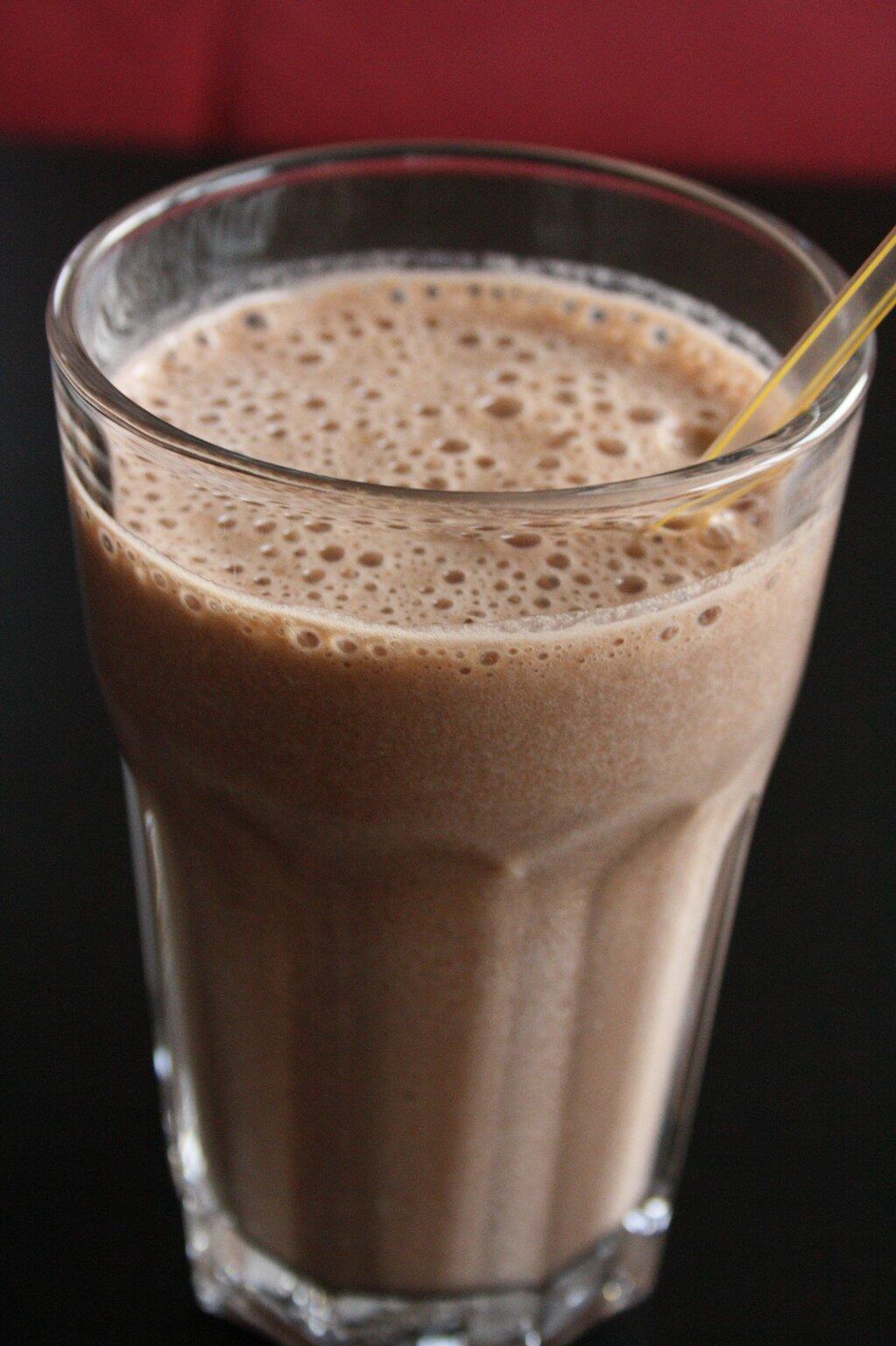
When picking the best protein powder for seniors, consider its digestibility, added nutrients, amount of sugar added, and texture.
As we age, protein becomes one of the most important nutrients for maintaining strength, independence, and overall health. For seniors, especially those over 60, adequate protein helps preserve muscle mass, supports immune function, aids in recovery from illness or surgery, and promotes healthy bones.
Yet many older adults fall short of recommended protein intake due to smaller appetites, chewing difficulties, medication side effects, or limited meal variety. That's where protein powders can play a valuable role.
However, not all protein powders are equal, especially for senior nutrition. Choosing the right one requires attention to quality, digestibility, nutrient balance, and personal health needs in Frankenmuth, MI.
Why Protein Matters More as We Age
Protein is the building block for muscles, enzymes, hormones, and immune cells. As we age, the body becomes less efficient at using protein for muscle synthesis-a phenomenon known as anabolic resistance. This means older adults often require more protein per meal to maintain muscle compared to younger adults.
Adequate protein supports:
- Muscle strength and mobility: Reducing fall and fracture risk
- Immune health: Enhancing resistance to infections
- Bone health: Supporting structure and reducing osteoporosis risk
- Recovery: Aiding healing after surgery or illness
- Energy support and appetite regulation: Helping manage weight and metabolism
For many seniors at independent living communities, protein supplements help fill gaps when whole foods alone aren't enough.
What to Look For in a Protein Powder
There are many protein powders on the market. When evaluating protein powders for seniors, consider the following key factors:
1. High-Quality Protein Source
Protein quality matters because not all sources are equally effective at supporting muscle synthesis and nutrient absorption.
Good options include:
- Whey Protein: Highly digestible and rich in essential amino acids, especially leucine, which stimulates muscle synthesis.
- Casein Protein: Slower-digesting, which helps provide a sustained release of amino acids.
- Plant-Based Blends: Pea, rice, and other plant proteins combined to ensure a complete amino acid profile, ideal for those with dairy intolerance.
Whey and casein are excellent for most seniors, but plant blends are beneficial for those with lactose intolerance, milk allergies, or specific dietary preferences.
2. Adequate Protein Per Serving
Look for powders that provide 15-25 grams of protein per serving. Less than 15 grams may not be sufficient to stimulate muscle protein synthesis, while more than 30 grams at once may exceed what the body can efficiently use in a single sitting.
Balanced servings support:
- Muscle maintenance
- Post-exercise recovery
- Appetite regulation
Smaller, frequent doses throughout the day can also improve protein utilization.
3. Digestibility and Gentle Ingredients
Digestive issues are common in older adults. Choose protein powders that are:
- Low in lactose (or lactose-free)
- Free of artificial sweeteners that may upset digestion
- Easy to mix smoothly without clumps
Hydrolyzed proteins or formulas with added digestive enzymes may be easier for sensitive stomachs.
4. Minimal Added Sugars and Fillers
Many protein powders contain added sugars, artificial flavors, and unnecessary additives. These ingredients can:
- Contribute to blood sugar spikes
- Cause gastrointestinal discomfort
- Add empty calories
For seniors, simpler formulas with clean ingredients are often better tolerated and healthier long-term.
5. Added Nutrients That Support Healthy Aging
Some protein powders include vitamins and minerals that are particularly beneficial for older adults, such as:
- Vitamin D and Calcium: For bone health
- B-Vitamins: For energy and metabolism
- Magnesium and Potassium: For muscle and nerve function
While not essential, these added nutrients can enhance overall nutritional support.
6. Allergen Accessibility
Many seniors have food sensitivities or medical conditions that require dietary caution. When choosing a protein powder, consider:
- Dairy (for lactose intolerance)
- Soy (common allergen)
- Gluten (for celiac disease or sensitivity)
Plant-based and hypoallergenic protein options are widely available and often gentle on the digestive system.
7. Texture and Mixability
Texture matters a lot. Seniors may prefer:
- Smooth, lump-free mixes
- Mild or neutral flavors
- Easy mixing with a spoon, shaker bottle, or blender
A powder that's unpleasant to drink is unlikely to be used consistently.
When to Use Protein Powder
Protein powder can be incorporated in various ways:
- After physical activity to support muscle repair
- With breakfast for a strong start to the day
- As a snack between meals to increase overall intake
- Blended into foods like smoothies, yogurt, oatmeal, or soups
Customizing timing helps fit protein into daily routines naturally.
Frequently Asked Questions
Why Is Protein Especially Important for Seniors?
As we age, muscle mass naturally declines (sarcopenia). Adequate protein helps preserve muscle strength, support immunity, protect bone health, and aid recovery, making it crucial for independence and quality of life.
Can Protein Powder Replace Meals?
Protein powder is a supplement, not a meal replacement. It helps fill nutritional gaps, especially when appetite or chewing is limited, but a balanced diet with whole foods provides broader nutrition.
How Much Protein Should Seniors Aim For Daily?
While individual needs vary, a common guideline for older adults is approximately 1.0-1.2 grams of protein per kilogram of body weight per day. A healthcare provider can help determine a personalized target.
Are Animal-Based Proteins Better than Plant-Based Ones?
Both can be effective. Whey and casein are high-quality, easily digestible proteins. Plant blends (e.g., pea and rice) provide complete amino acids and are ideal for those with dairy sensitivities or dietary preferences.
How Soon Will I See Benefits From Protein Meal Supplements?
If correcting a deficiency, some improvement in energy, strength, or recovery may be noticed within weeks to months. Long-term benefits depend on consistent use and overall diet.
Can Protein Supplements Affect My Kidneys?
In healthy individuals, protein supplementation is usually safe. However, those with pre-existing kidney disease should consult a healthcare provider before increasing protein intake.
Is It Better To Take Protein Powder at Certain Times?
There's no single "best time." Spreading intake throughout the day, especially around activity or with meals, can support muscle protein synthesis most effectively.
Choose the Best Protein Powder for Seniors
Pick the best protein powder for seniors on the market and then stick with regular intake to ensure you are getting adequate protein in your diet.
At Winter Village, you can also request specific protein-heavy meals from the chefs who prepare your meals daily, supplementing those meals with protein powder shakes and regular physical activity.
Schedule a tour to see how our community would fit your active lifestyle.